What to check before booking a trip to Hatta Mountain Dubai
Planning a day out in the Hatta region involves more than just picking a date. The area offers a mix of outdoor activities, historical sites, and natural landscapes, so a little preparation goes a long way. Whether you are visiting for the kayaking, the mountain biking, or simply to explore the heritage village, knowing what to expect helps you make the most of your time. This checklist covers the key points to consider before you finalise your plans.
Check the weather and season
Hatta sits in the Hajar Mountains, and its climate differs from coastal Dubai. Summers can be extremely hot, with temperatures often exceeding 40°C. Outdoor activities like hiking or cycling become uncomfortable and even risky during the middle of the day. The best months to visit are between October and April, when daytime temperatures are milder and the air is drier. Even during winter, mornings and evenings can be cool, so pack layers. Rain is rare, but when it does come, it can cause flash floods in wadis, so check the forecast before you set off.
Know the entry requirements and timings
Most of Hatta's main attractions have their own operating hours. Hatta Heritage Village, for example, typically opens from 8:00 AM to 8:30 PM, but hours can change during public holidays or special events. Hatta Dam and Hatta Hill Park are open to the public at no cost, but some facilities like the kayak rental centre or the mountain bike trail centre operate on a separate schedule. It is wise to check the official timings a day before your visit. No special permits are needed for general access, but if you plan to camp or use certain adventure facilities, advance booking may be required.
Decide on your activities in advance
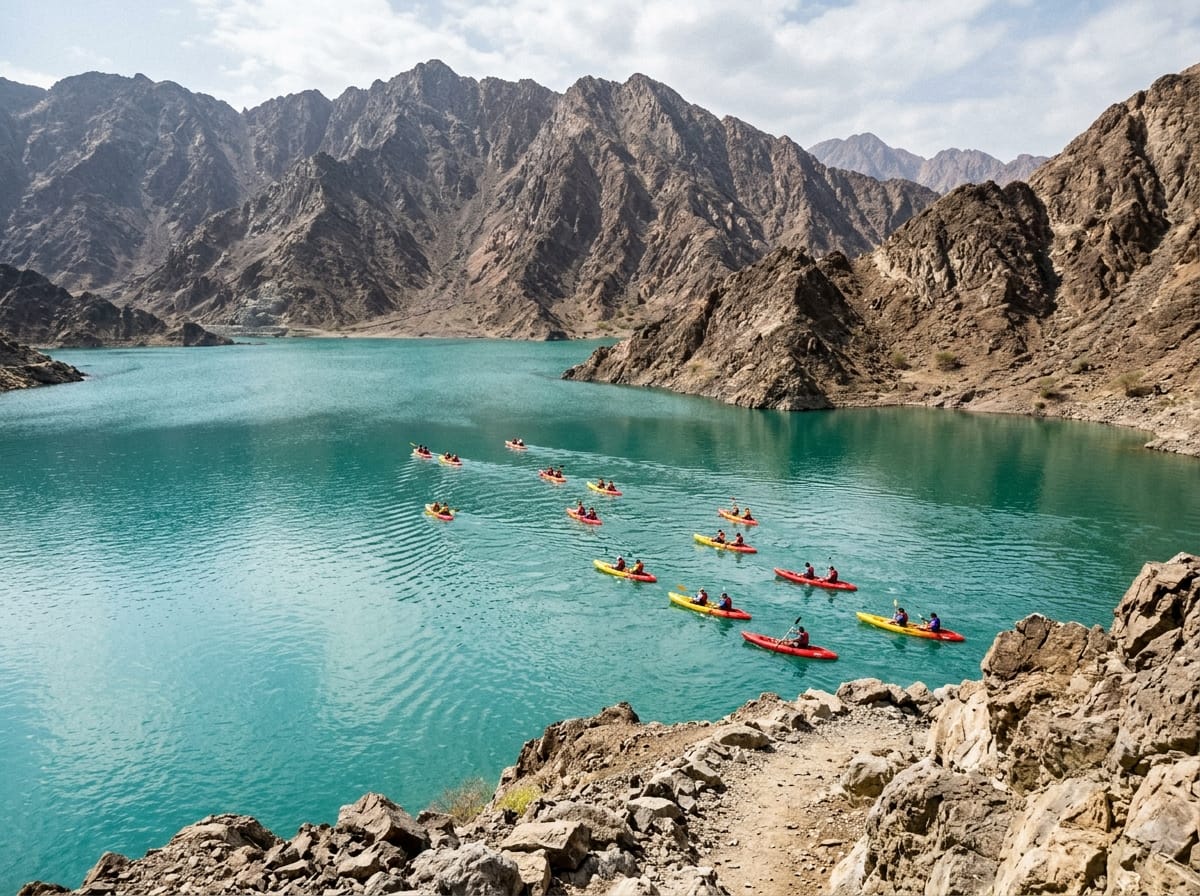
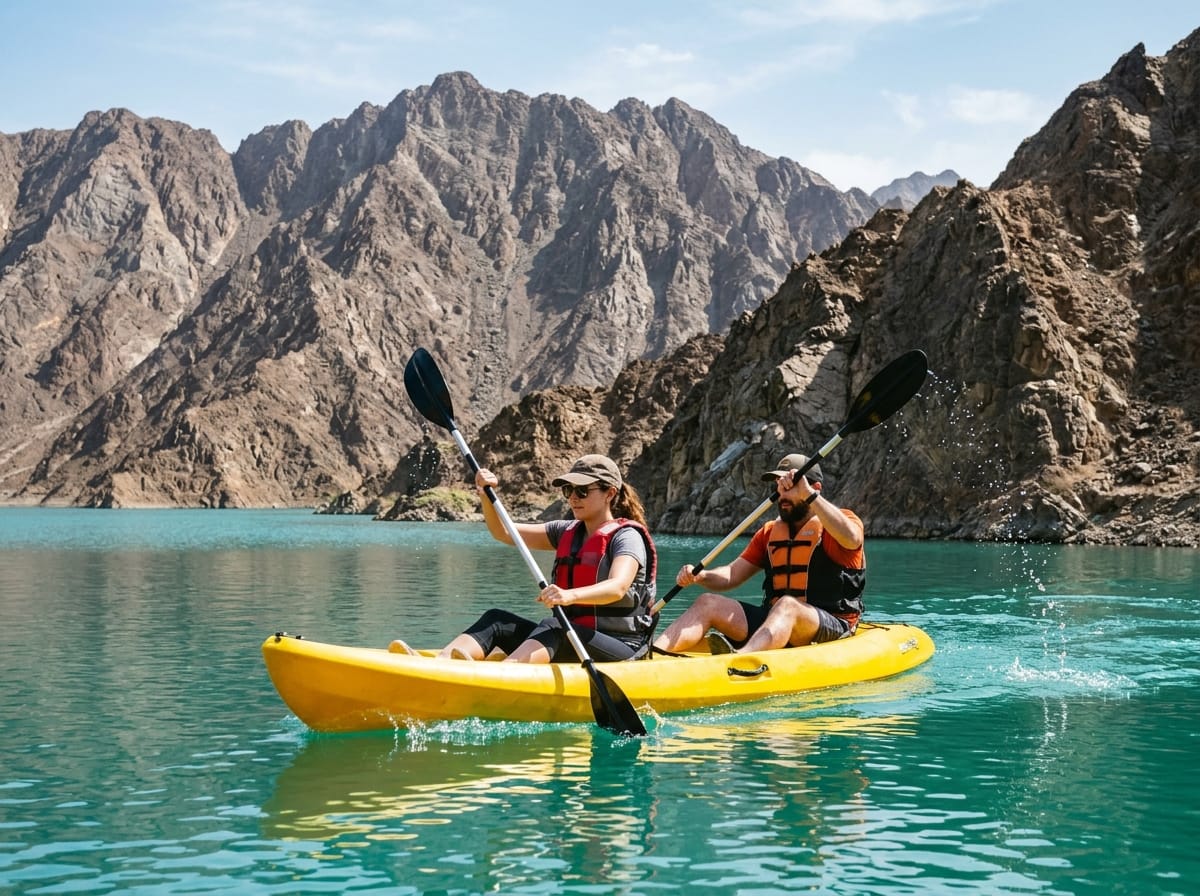
Hatta offers a wide range of things to do, and trying to fit everything into one day can leave you rushed. Start by picking two or three main activities. Popular choices include kayaking on Hatta Dam, cycling the Hatta Mountain Bike Trail, exploring the Hatta rock pools, and visiting Hatta Fort or Hatta Heritage Village. Each activity has its own time requirement. Kayaking, for instance, can take an hour or two depending on your pace, while a full loop on the mountain bike trail can take several hours. If you are travelling with children, consider their stamina and interest levels too. Mixing a cultural stop with an outdoor adventure often works well.
Consider transport and parking
Hatta is about 130 kilometres from Dubai city centre, roughly a 90-minute drive. The road is well-maintained, but the last stretch through the mountains has some curves. A private car gives you the most flexibility, as public transport options are limited. Parking at major spots like Hatta Dam or Hatta Wadi Hub is generally free and ample, but on weekends and public holidays it can fill up quickly. Arriving before 9:00 AM helps you secure a good spot. If you are relying on a taxi or ride-hailing service, confirm that the driver is willing to go that far and arrange a pick-up time for the return journey, as mobile reception can be patchy in some valleys.
One useful resource for planning your itinerary and checking current conditions is hattamountaintourdubai.com, which provides practical information on attractions, timings, and nearby facilities. It is a good idea to bookmark it before you travel.
Pack the right gear
What you bring depends on your chosen activities, but a few basics apply to almost any visit. Sun protection is essential: a hat, sunglasses, and high-SPF sunscreen. Sturdy walking shoes are a must if you plan to walk on uneven ground near the rock pools or the fort. For water activities, a change of clothes and a waterproof bag for your phone and wallet are sensible. Carry at least one litre of water per person, more if you are hiking or cycling. Snacks are useful because food outlets are concentrated around the Wadi Hub and the heritage village, and options elsewhere are limited. A basic first-aid kit and a power bank for your phone are also worth packing.
Be aware of physical demands
Some activities in Hatta require a reasonable level of fitness. The mountain bike trail has sections with steep climbs and technical descents. The walk to the Hatta rock pools involves scrambling over boulders and crossing shallow water. Even a gentle kayak session on the dam uses your arms and core more than you might expect. If you have any health conditions or are not used to physical activity, choose a lighter itinerary. Hatta Heritage Village and Hatta Hill Park are more relaxed options that still give you a feel for the area's culture and scenery.
Check what to leave behind
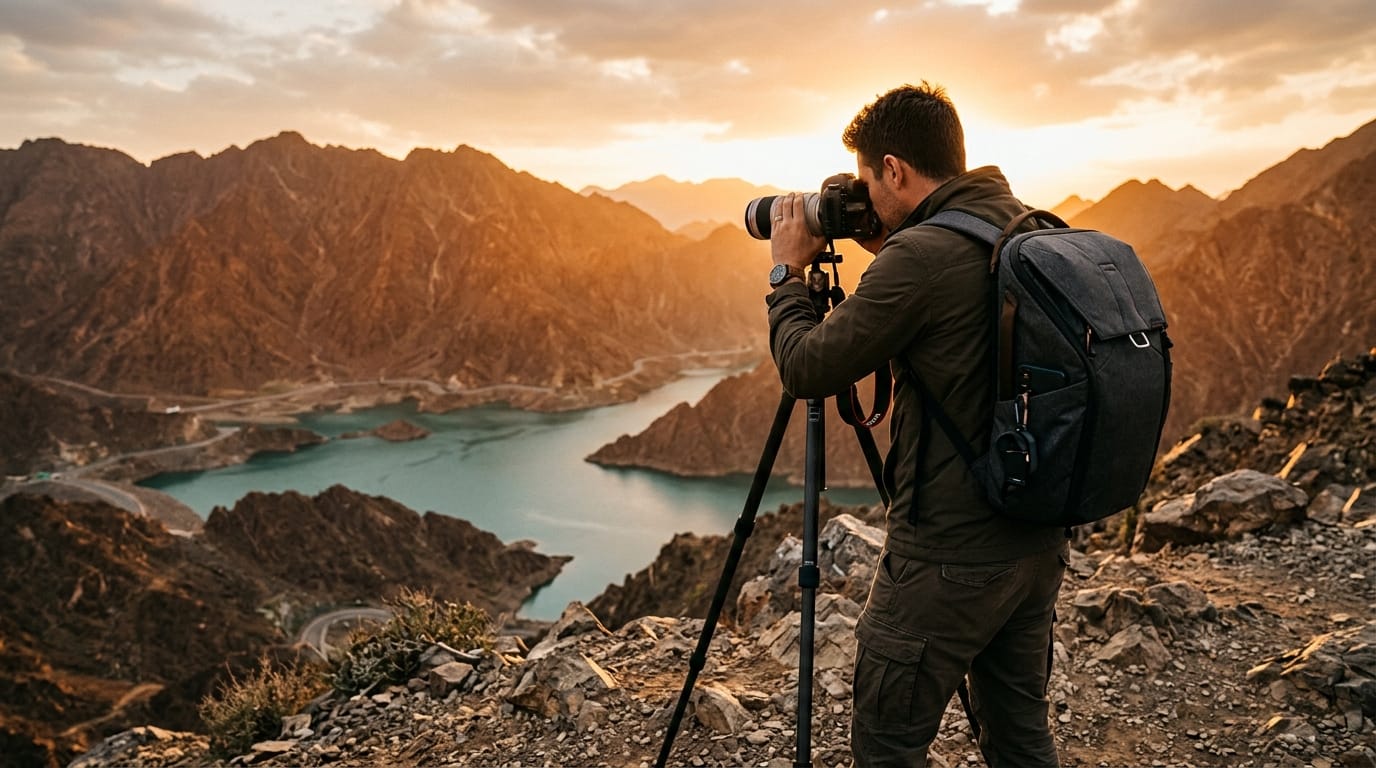
Some items are best left at home or in the car. Drones, for example, are not allowed in many parts of Hatta without prior permission from the relevant authorities. Glass containers are banned at the dam and in the wadi areas to prevent injuries and litter. Loud music and large speaker systems are discouraged, especially near residential or heritage sites. If you are bringing a pet, check the specific rules for each attraction. Most outdoor areas allow dogs on a leash, but some historical buildings do not.
Plan for food and facilities
Hatta has a growing number of dining options, but they are concentrated. The Hatta Wadi Hub has a few casual cafes and food trucks. The heritage village area has a restaurant serving local dishes. For a fuller meal, you may need to drive to the main town. Public toilets are available at the dam, the Wadi Hub, and the heritage village, but they are less common along trails and at the rock pools. Carry hand sanitiser and toilet paper just in case. If you are staying late, note that some facilities close around sunset, so plan your meals accordingly.
Another good practice is to check the latest updates from hattamountaintourdubai.com before you head out. Conditions such as water levels at the dam, trail closures after rain, or special event days are posted there. That second glance can save you from arriving at a closed attraction or a full car park.
Respect the environment and local culture
Hatta is both a natural reserve and a community with deep cultural roots. Littering is not only disrespectful but also carries fines in some areas. Stay on marked trails to avoid damaging the fragile mountain ecosystem. When visiting Hatta Heritage Village or Hatta Fort, dress modestly as a sign of respect. Photography of local residents without their permission is discouraged. The area is also home to wildlife such as mountain foxes and various bird species; observe them from a distance and do not feed them.
With a little planning, a trip to Hatta Mountain Dubai can be a rewarding escape from the city. The key is to match your expectations with the reality of the terrain, the climate, and the available facilities. Check the weather, choose your activities wisely, pack appropriately, and always have a backup plan for changes in conditions. That way, you spend less time figuring things out on the spot and more time enjoying the mountains.